
How Can I Authenticate a Collectible Action Figure Before Buying?
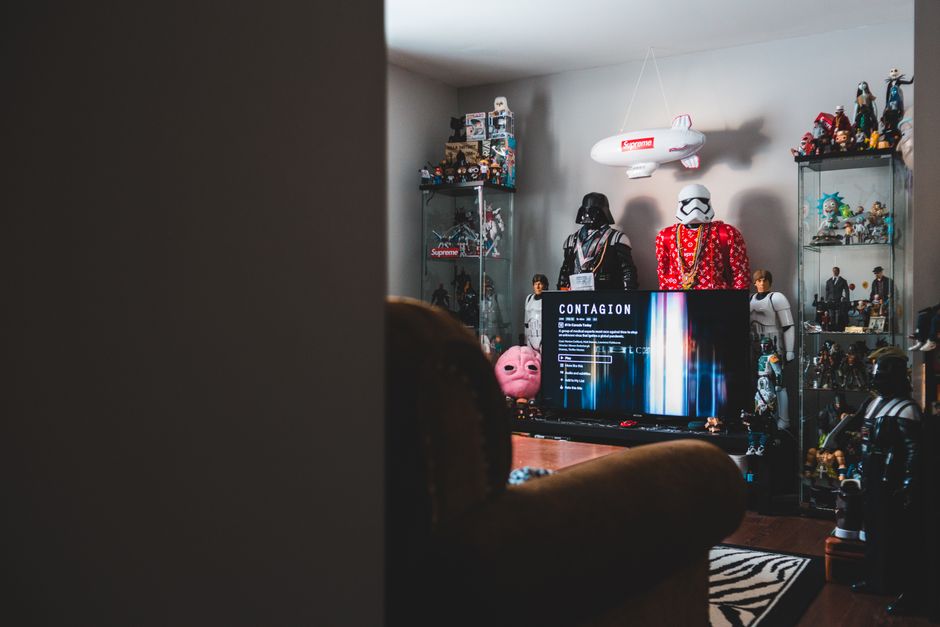
Authenticate a second-hand collectible action figure by checking the exact version against reliable reference material, then comparing the figure, accessories, packaging, seller evidence, and identifying marks. Treat a low price, weak photos, missing manufacturer information, poor print, or mismatched parts as a reason to pause, not a reason to rush. Buy only when the listing gives you enough evidence to verify what you are getting.
The useful mindset is simple: do not ask, “Does this look close enough?” Ask, “Can each important detail be explained?” A figure can be genuine but incomplete. A box can be real but paired with the wrong figure. A convincing-looking lot can contain replacement accessories. Separate those questions before money changes hands.
How can I tell if a collectible action figure is authentic?
Start by identifying the exact version, then compare the listing against known examples rather than against memory. That means the character, release, color variant, accessories, packaging style, and molded marks must form one coherent story. A good-looking face sculpt alone does not settle the question.
Use a three-part evidence check. First, inspect the seller and listing: the Anti-Counterfeiting Group advises buyers to look for blurry images, spelling errors, vague descriptions, unusually low prices, and seller-specific reviews. Second, inspect the object: look for sharp molded detail, consistent paint, readable marks, and materials that match reference examples. Third, inspect the transaction: request the photos that close the gaps before you commit.
| Check | What to request or compare | Decision use |
|---|---|---|
| Exact-version match | Reference images, instructions, catalogs, or boxed examples for that release | Confirms which parts and package belong together |
| Figure condition | Close-ups of sculpt, paint, joints, base, and molded marks | Reveals weak detail, damage, and altered parts |
| Accessories | A separate photo of every included piece | Prevents a “complete” claim from hiding substitutions |
| Seller evidence | Clear answers and fresh photos of the actual item | Shows whether the listing can support its claims |
Price is a screening tool, not a verdict. The CPSC advises buyers to beware of bargains because prices substantially below established retailers can signal a counterfeit or substandard item. The stronger move is not simply to avoid every discounted listing; it is to demand more evidence as the price becomes harder to explain.
Weak question: “Is it authentic?” Stronger question: “Please send a close-up of the molded manufacturer mark, the bottom of both feet, and each accessory beside the figure.” The second request creates evidence you can compare.
Which box markings, serial numbers and manufacturer stamps should I check?
Check manufacturer identification, production and tracking information where applicable, product-specific codes, and the relationship between the figure and its package. Do not treat any one code as a magic pass. A copied or unrelated box can carry a plausible number, so the code must agree with the rest of the item.
For children’s products intended primarily for those age 12 or younger, the U.S. Consumer Product Safety Commission tracking-label guidance says permanent distinguishing marks are generally required on the product and packaging. The required information includes the manufacturer or private labeler, production location and date, and cohort information such as a batch or run number. Very small products may not be practical to mark individually, but the packaging generally still must be marked.
Read those marks as a consistency test. Missing information can be a warning sign, but a present code is only the beginning. Check whether the brand name is spelled correctly, whether print is crisp, whether the information is positioned where the genuine release places it, and whether the figure’s molded stamp supports the package claim.
Brand-specific guidance matters. For Mattel items, Mattel Consumer Relations says product numbers are usually found on the bottom of the product near the company address, on an instruction manual, or above the UPC symbol on packaging. Its manufacturing codes are usually engraved into plastic or appear near the UPC on a sticker or embossed cardboard. Mattel gives examples such as product numbers “73397,” “W7124,” and “AAB25,” and manufacturing codes “2180HL” and “1582Q2.” Use the manufacturer’s own format as a comparison point, then verify that the code belongs with the stated release.
For a current example of a brand-specific authentication feature, the CPSC’s Labubu safety alert identifies a holographic Pop Mart sticker, a QR code linking to the official Pop Mart site, and, on newer editions, a subtle UV stamp on one foot as authentic-item features. The alert also says authentic Labubu dolls have nine teeth. That is a useful model: use the official details for the exact product, not a generic counterfeit checklist.
Can an original figure come in a replacement or mismatched box?
Yes. An original figure can be sold in a replacement or mismatched box, so describe and value the figure and packaging separately. “Original figure with replacement box” is a different purchase from “complete original boxed figure,” and the listing should not blur the distinction.
Loose figures need their own process. VintageToy.co recommends a part-by-part checklist covering mold detail, material, color, fit, and marks, then comparing the exact version with period catalogs, advertisements, instruction sheets, and boxed examples. Its warning is direct: a complete-looking toy may be assembled from original and modern replacement parts, including tires, antennas, canopies, keys, battery covers, figures, decals, and box inserts.
Use the same discipline for sealed items. A sealed package can still have poor print, incorrect markings, a questionable seller history, or details that conflict with known packaging. For loose items, focus on component originality and completeness. For boxed items, focus on whether the box, figure, inserts, and stated version belong together.
Before checkout, write one line for the record: “I am buying this as [loose/boxed], with [named accessories], in [stated condition], based on [specific photos].” This is your purchase brief. It reduces the cognitive load later, when a vague listing description starts to sound more definite than it was.
If your collection lives in limited space, keep the inventory beside the storage plan. The same label-and-location discipline used in small-kitchen storage helps prevent boxes, inserts, and loose accessories from becoming separated after purchase.
Frequently Asked Questions
What are the most common signs of a counterfeit collectible figure?
Common warning signs include blurry listing photos, misspellings, poor print quality, vague descriptions, missing manufacturer or safety information, and a price substantially below established retailers. The CPSC also flags physical issues such as strong chemical odors, an oily or sticky feel, leaks, or a product that tears apart easily. Check several signals together rather than relying on one detail.
How do I check a second-hand figure for missing parts and swapped accessories?
Build a checklist for the exact version, then compare every included part for mold detail, material, color, fit, and markings. VintageToy.co recommends comparing against period catalogs, advertisements, instruction sheets, and boxed examples because a complete-looking item can combine original and modern replacement parts. Ask for photos of every accessory separately before paying.
What photos should I request before buying a collectible figure online?
Request clear photos of the front, back, both sides, base, identifying stamps, packaging panels, barcode area, and every included accessory. Ask for close-ups of faint molded lettering or stamped metal, ideally photographed in raking light, plus any damage or loose joints. If a seller cannot provide the views needed to compare the item with a known example, do not treat the listing as verified.
Your homework: choose one listing before you buy and make the evidence list. What proves the exact version? What proves each accessory? What remains unproven? If the final answer contains an unproven point you cannot accept, walk away and keep searching.
Sources
- U.S. Consumer Product Safety Commission: FAQ: Tracking Labels on Children’s Products
- U.S. Consumer Product Safety Commission: Consumer Safety Alert for Labubu Collectors
- Mattel Consumer Relations: Product and Manufacturing Code Guide
- Anti-Counterfeiting Group: Fake Toys, Real Harms
- VintageToy.co: The Reproduction Accessory Problem