
How Do I Choose a Studio Apartment I Can Truly Afford and Live In?
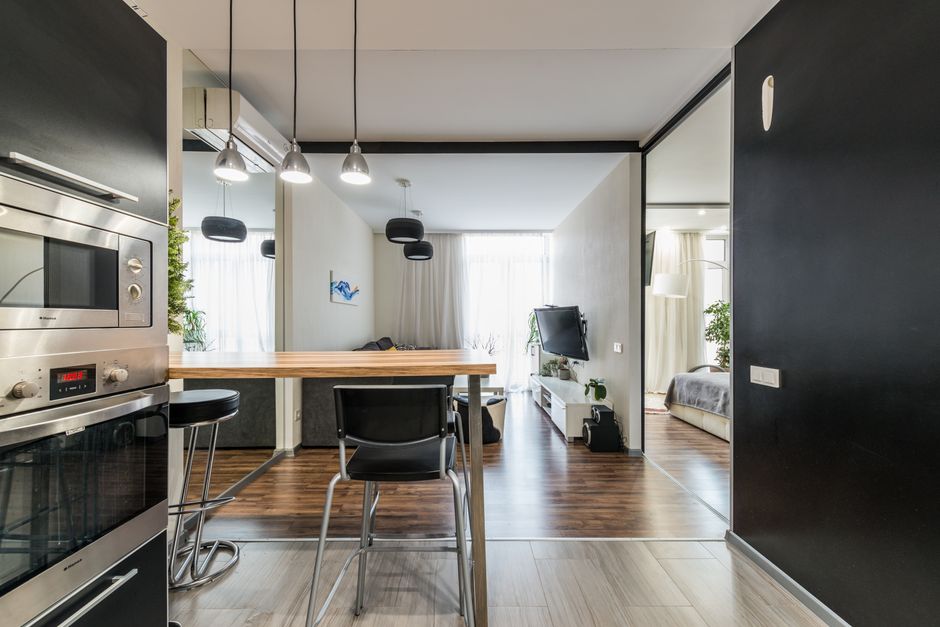
Choose a studio by testing two numbers before signing: whether the landlord’s income screen works for your gross income, and whether the full monthly cost works against your take-home pay. Start with advertised rent, then add every tenant-paid utility, internet, transportation, parking, insurance, and recurring furnishing cost. During the tour, test the layout, storage, light, noise, laundry, and work setup as carefully as the price.
How much income do I need to qualify for a studio apartment?
You need the income required by that property’s written screening policy, then a separate budget that shows whether the studio is sustainable after payroll deductions and existing obligations. There is no single national qualification rule in the supplied public sources, so do not assume that an affordability benchmark is the same thing as a landlord’s approval standard.
Freddie Mac Multifamily’s affordability analysis uses a benchmark in which rent can consume up to 30% of income, and it uses gross rent, including utilities, rather than base rent alone. Its analysis of 2021 American Community Survey data found that the national median renter share of income spent on rent was 30.1%, but only about 19% of renter households were within five percentage points of that median. The useful lesson: a percentage is a screening tool, not a verdict.
Run the two-number check. First, take the monthly rent figure a provider uses for screening and compare it with your monthly gross income. Second, subtract all recurring studio costs from your actual take-home pay. The first number answers, “Could this application qualify?” The second answers, “Does this leave enough room for the rest of life?”
Before paying an application fee, ask for the written policy: “Please send the income requirement, documents accepted, screening fee, and any other approval criteria.” HUD’s Office of Fair Housing and Equal Opportunity states that tenant screening policies should be written, public, and readily available to potential applicants. Its 2024 guidance also notes that screening reports can include items such as credit reports, court records, medical debt, foreclosures, and student loans, making an early question cheaper than a failed application.
| Check | What to use | What it answers |
|---|---|---|
| Qualification check | Written property criteria and gross income | Whether the listing’s screening rule appears workable |
| Affordability check | Gross rent plus all recurring costs and take-home pay | Whether the monthly plan is workable in practice |
| Location check | Transportation, parking, time demands, and daily access | Whether a lower base rent merely moves costs elsewhere |
What monthly costs should I add to the advertised studio rent?
Add every recurring cost that follows the lease, plus every disclosed one-time move-in cost. HUD USER defines fair market rents as gross rent estimates: shelter rent plus tenant-paid utilities, excluding telephone, cable or satellite television, and internet service. That distinction matters because two identical advertised rents can produce different real monthly housing costs.
Build one line for each of these categories: tenant-paid electricity, gas or other fuel, water or sewer where billed separately, internet, parking, renters insurance, transportation, and any recurring amenity or service charge. Keep application, administrative, deposit, move-in, and furniture costs in a separate up-front column. Mixing a one-time charge into a monthly number makes the comparison muddy.
The Bureau of Labor Statistics reported average spending of $4,736 on utilities, fuels, and public services in its 2024 Consumer Expenditure Survey, which is about $395 per month across all consumer units. That is not a forecast for one studio or one city. It is a useful warning against leaving utilities blank. The same 2024 survey reported average annual public and other transportation spending of $1,131, or about $94 per month, another reason a farther studio needs a full-cost comparison rather than a rent-only comparison.
Use this phrase with each listing: “What is included in rent, what is billed separately every month, and what fees apply before move-in?” Get the answer in writing. Then compare the cheaper distant unit with the higher-rent central unit using the same categories. A lower contract rent is not automatically the lower-cost option if it adds paid parking, transportation, or utilities.
Furniture deserves its own reality check. A studio has limited floor area, so every purchase consumes both money and usable space. List the items that must fit on day one, then measure them at the tour. Storage decisions can recover valuable room; this guide on storing coffee mugs in a small kitchen shows the same small-space principle: give frequently used items a deliberate home instead of adding clutter.
Are utilities usually included in a studio apartment?
Utilities are not automatically included in a studio apartment; the lease and listing determine responsibility, so each utility needs to be named rather than assumed. HUD USER’s fair-market-rent definition includes tenant-paid utilities in gross rent but excludes internet, telephone, cable, and satellite television. In plain terms: “rent” and “gross rent” are different numbers, and internet often remains a separate line even when some utilities are included.
Ask for a utility responsibility list covering electricity, gas, water, sewer, trash, and internet. Then inspect the unit for factors that affect comfort and bills: window condition, visible drafts, thermostat control, ceiling fans, and the type of lighting. The U.S. Department of Energy states that renters can make changes that lower utility bills and improve comfort; its renter guidance estimates that switching to LED lighting can save an average household more than $200 per year. That 2024-era general estimate is not a promise for a particular studio, but it makes lighting and fixtures worth noticing.
Natural light is also a liveability variable, not decoration. Check how daylight lands where a desk, bed, and seating area would sit. If a window creates glare or privacy pressure, the right treatment changes the room’s function; use this guide to daylight, glare, and privacy to frame that decision before buying coverings.
Make the Studio Decision Before the Lease Does It for You
Use a one-page comparison sheet for every finalist. Put the provider’s income rule at the top, the recurring full monthly cost in the middle, and the tour evidence at the bottom. The listing with the lower advertised rent does not win by default. The better choice is the one whose approval requirements, repeatable monthly cost, and daily layout all hold up on the same page.
Finish with a short drill: request the written criteria and fee schedule, fill every blank in the cost sheet, and tour with a tape measure. If a cost or liveability question remains unanswered, label it unanswered rather than quietly assuming it will work out.
Frequently Asked Questions
How can I compare two studio apartments with different concessions and fees?
Put each listing into the same worksheet: contract rent, recurring tenant-paid utilities, internet, parking, insurance, transportation, and every disclosed move-in charge. Keep a concession separate from the recurring monthly total, because a temporary discount does not change the cost once it ends. Ask each housing provider for the written fee schedule and screening criteria before applying.
Is a studio apartment practical for working from home?
It can be practical when the unit supports a defined desk footprint, workable internet access, enough outlets, manageable noise, and some separation between work and sleep. The U.S. Census Bureau reported that 13.3% of workers worked from home in 2024, so this is a core layout test rather than a niche preference. Public data does not determine whether a particular studio’s noise or daylight will work for a particular job; the tour needs to answer that.
What should I measure during a studio apartment tour?
Measure the wall and floor area available for a bed, desk, seating, storage, and the path between them. Check closet depth, cabinet capacity, outlet locations, window light, laundry access, and noise with the windows closed and open if the tour permits it. Record which utilities are included and request the complete fee and screening information in writing.
Sources
- U.S. Department of Housing and Urban Development, HUD USER: Fair Market Rents
- U.S. Bureau of Labor Statistics: Consumer Expenditures, 2024
- U.S. Department of Housing and Urban Development: 2024 Rental Applicant Screening Guidance
- Freddie Mac Multifamily: Rental Affordability Curve Report
- U.S. Department of Energy: Energy Saving Tips for Renters
- U.S. Census Bureau: 2024 American Community Survey Commuting Guidance
Disclaimer: This article is for general information only and is not financial advice. It does not take your personal circumstances into account, and past performance does not predict future results. Speak to a licensed financial professional before making money decisions.